It is no secret that I am a fan of horror movies. To me, they are the highest form of storytelling. In any story, there must be an obstacle to overcome that conveys a sense of worry or dread in the audience. From the bachelor party searching for the missing groom in The Hangover to Barbie undoing the patriarchy in Barbie Land, there must be a sense of urgency driving the narrative. Horror movies take it to the ultimate level: survival against forces that chill us to the bone. They are clearly not for everyone, and I am among those who get a thrill from these fears, as if it were a roller coaster.
One of my favorites is The Conjuring, based on the stories of (alleged) paranormal experts Ed and Lorraine Warren. What terrifies me the most is the supernatural antagonists demonstrating their powers against the helpless family. It is almost as if they are teasing the people, reminding them of their transcendence over nature. There is clearly nothing that the people can do to drive out the malicious spirits without divine intervention. Despite these nightmarish qualities, I emerge from each screening giddy and excited to share the experience with other fans of horror.
But there is only one scene in the movie that I skip. As the family moves into their new home, their dog, Sadie, clearly can sense that something is not right. The dog refuses to come into the house and the family reluctantly lets her sleep outside. When they go to check on her the next morning, they find Sadie dead in the yard.
Ironically, this is what crosses the line for me. I can attempt to make it through the most terrifying moments of cinema history, but I cannot tolerate watching dogs (or other animals) die.
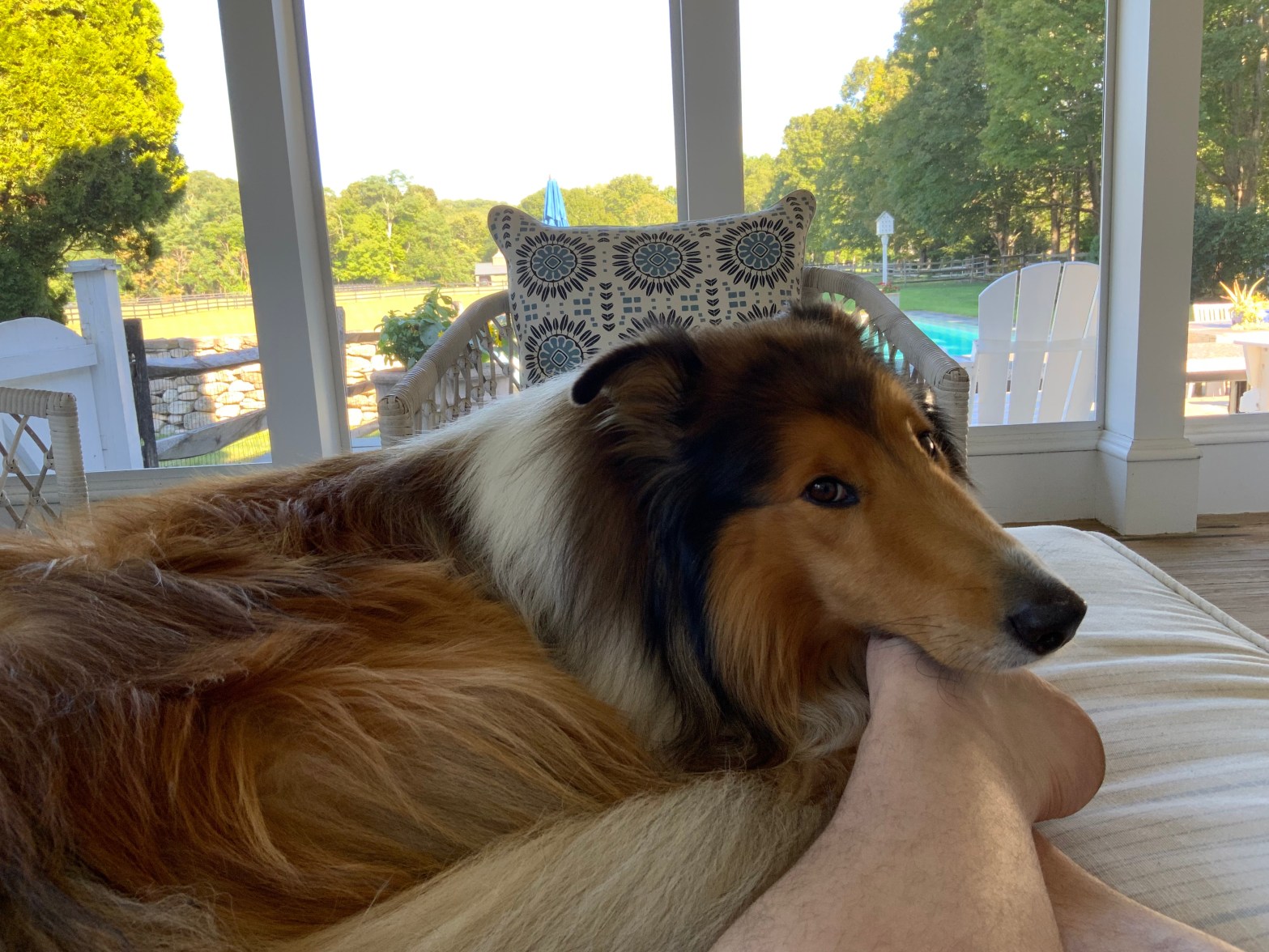
In my thirty-four years on this earth, there has never been a period in which I have not had a pet. This includes dogs, cats, and even barn animals. In recent years, I have no longer come to believe pets are a luxury, but a necessity for me. There is something about an animal that can calm my nerves and help me forget my stress for even a few seconds. There have been many days in which the highlight was meeting a friendly dog while I was out and about. There is so much stress that goes into meeting other people. We must be hyper vigilant of our appearances and attitudes, knowing the consequences of a bad first impression. But whenever we meet a domesticated animal, they seem to be saying “You don’t have to impress me, I already like you!”
Which is why the suffering of an animal hits us even harder. Animals are innocent creatures who cannot harm us like other people can. Sure, an animal can kill a person, but it is not homicide because they ultimately have no will or consciousness. They just live in the moment and try to survive, no matter the consequences. In the end, they are ultimately dependent on us. To me, watching animals suffer is akin to watching children suffer. Stephen King once marveled about the hate mail he received for depicting the death of a dog in his novel The Dead Zone.
“[I]t doesn’t matter how many people die in books,” King remarked. “…98% of the world’s population gets decimated [in The Stand], but they care about the dogs, man.”[1]
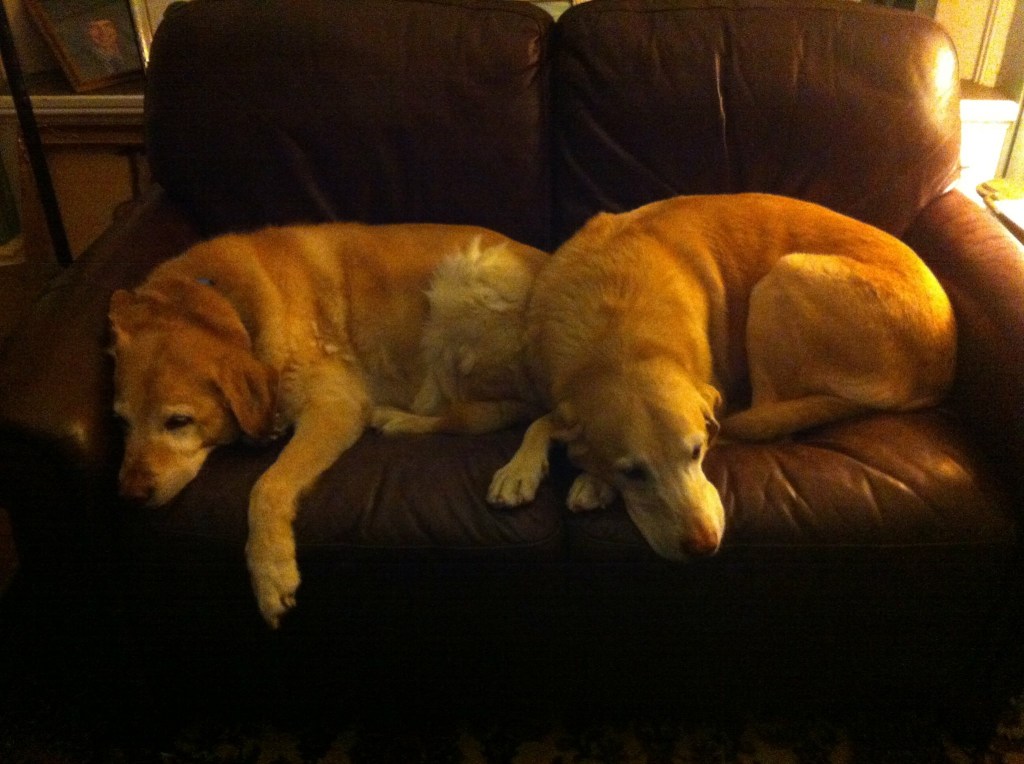
But it does not need to be limited to horror films. In fact, I have ruled out watching any family-friendly movie that involves a pet as a major character, simply because I do not want to risk the possibility of watching an animal die. When Marley and Me was released near Christmas 2008, I made up my mind right away that I would not see it, regardless of any praise and acclaim it received. Having already read the book and said goodbye to two labradors, there was no way in Hell that I would pay to ugly cry. I cannot even bring myself to watch Lassie Come Home because the title character is even briefly separated from her family, despite the happy ending that involves their reunion.
I have yet to finish HBO’s The Last of Us, which depicts a post-apocalyptic zombie-infested world. My college roommate marveled that I could not handle this series but would casually watch The Shining and Schindler’s List. My rationale is that these are single-installment movies that are at least two hours long, not an entire TV-series. And we all know how Schindler’s List ends without seeing the movie: the Nazis lose, and their attempted genocide fails. I have no idea what is coming in the next episode of The Last of Us and dread the next episode.
But if this rationale does not satisfy anyone, then I can quote the American poet Walt Whitman:
“Do I contradict myself?/Very well then I contradict myself,/ (I am large, I contain multitudes…”
It is an unusual way of looking at media. But when your dogs have been able to take away your stress and anxiety, you cannot bear to see any dog die. It will always bring up the familiarity of saying goodbye to your best friend for the previous decade.
[1] “How Stephen King Predicted Trump’s Rise Decades Ago.” YouTube, July 13, 2019. https://www.youtube.com/watch?v=UXfklsKGwBU.
 The City of Cinema