
Many years ago, I lamented that iconic filmmakers were distributing their newest movies through streaming services. Budgeting is a factor; I will concede that. It is easy to be romantic when you are not considering your resources and budget. I believed that movies were meant to be seen in a communal manner; a shared experience was at its core. To deny that was a gross offense.

But then the pandemic happened. As a result of social distancing, studios opted to directly stream to the audiences at home via whichever subscription service they did business with. Unfortunately, many movie theaters went out of business, including two that I grew up frequenting.
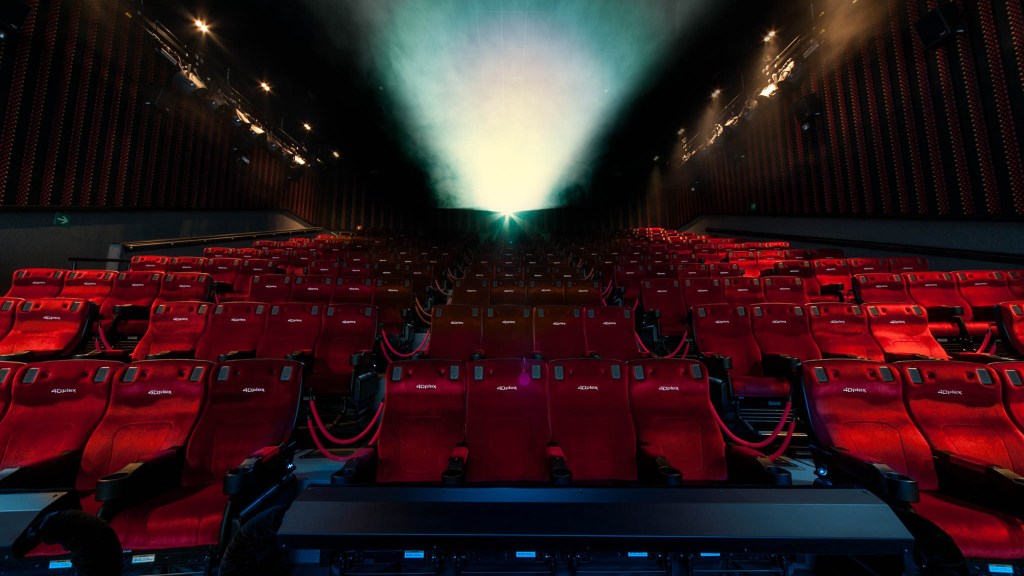
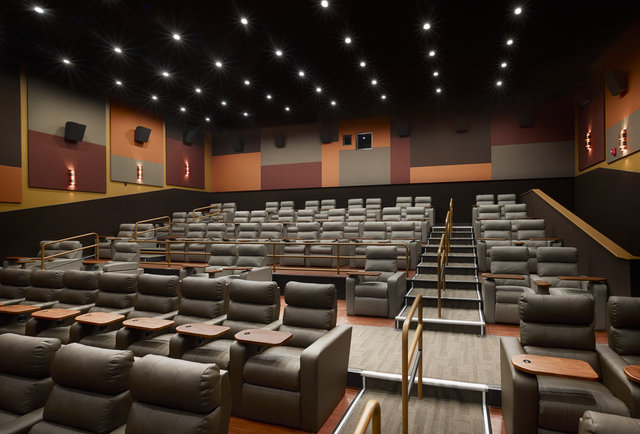
However, one of the theaters has reopened under new ownership. The change is not just the ownership but includes accommodations for luxury seating and concessions serving food and alcoholic beverages. They appear to be following a trend that will probably come to define our current movie-going experiences, and I believe this trend is here to stay. In fact, I believe these changes will be essential for the survival of movie theaters.
The movies are like any other industry: ever evolving. While we have always gone to the movies, there have been groundbreaking changes over the decades involving the ability to stay home instead of going out. It began with the VHS, which led to the creation of video stores such as Blockbuster (and even a Blockbuster Night was an experience that could be shared). In the last decade, our source for watching movies at home morphed from physical media (DVDs) to streaming (Netflix, Hulu, Disney+, etc.).

But what’s wrong with staying in the comfort of your own home and watching at your own convenience without having to worry about traffic and budgeting at the concession stand? And who knows which stranger is going to be sitting near us? While we all engage in self-deprecatory humor about not wanting to socialize (think Elaine Benes remarking “I’ll go if I don’t have to talk”), engaging with others is essential to life. We are not meant to be isolated; this is even evident among animals.
Theater owners know they are at risk of losing their business to an evolved form of media, and like any other industry that is confronting with a new form of competition, they must evolve to match it. Perhaps younger people have now developed a dependency on the instant dopamine hits and will not be able to last two hours focusing on one screen and a single video at a time? If this is the case, then movie theaters cannot expect the future market to be able to sit in a simple screening room to watch a movie when they could easily do it at home with Hulu while scrolling through their preferred apps and pausing to browse their fridge or pantry for a snack. They cannot be enticed with just popcorn and candy; this is a critical moment for the history of movie theaters.

How can we assure their survival? By making going to the movies an experience to look forward to. It needs to become the equivalent of going to a sports game or concert. What is considered “luxury” today should become “standard”. Popcorn and candy are essential, but theaters must provide a dining experience with a menu for food and even alcoholic beverages. Theaters should include smaller screening rooms that can be rented out for private events. Many theaters already offer such services. While I lived in Chestnut Hill, Massachusetts, I frequented the Showcase SuperLux (which is what I miss most about living in said neighborhood).
But for the theaters that cannot indulge in throne seats and culinary accommodations, there are still ways to make the old-fashioned movie-going something to look forward to. This past Labor Day, I ventured to the Coolidge Corner Theatre in Brookline, Massachusetts, to screen Jaws with a friend on 35mm film (our eyes take in lighting better through actual film, compared to pixels), and the movie was preceded by an introduction by “Matt Hooper” (who was actually an employee dressed as Richard Dreyfuss’ character), and a contest for audience members to come forward with scar stories. If luxury cannot be provided, then you must provide your patrons with memories that go beyond the movie and their snacks.
And what about drive-ins? I have never been to a drive-in movie, but it is certainly on my bucket list. And if it is a good time, then I have no problem seeking more out, regardless of potential obstacles.
I do not consider myself an overall expert in the entertainment industry. I do not have access to all the data that indicates which trend the market is following or what could potentially happen down the road. But I know from life that nothing lasts forever, and this even applies to my lifelong love affair with movies. All I can say is that we are living in a new era of entertainment, and we are about to see whether the traditional experience of going to the movies will endure.
 The City of Cinema